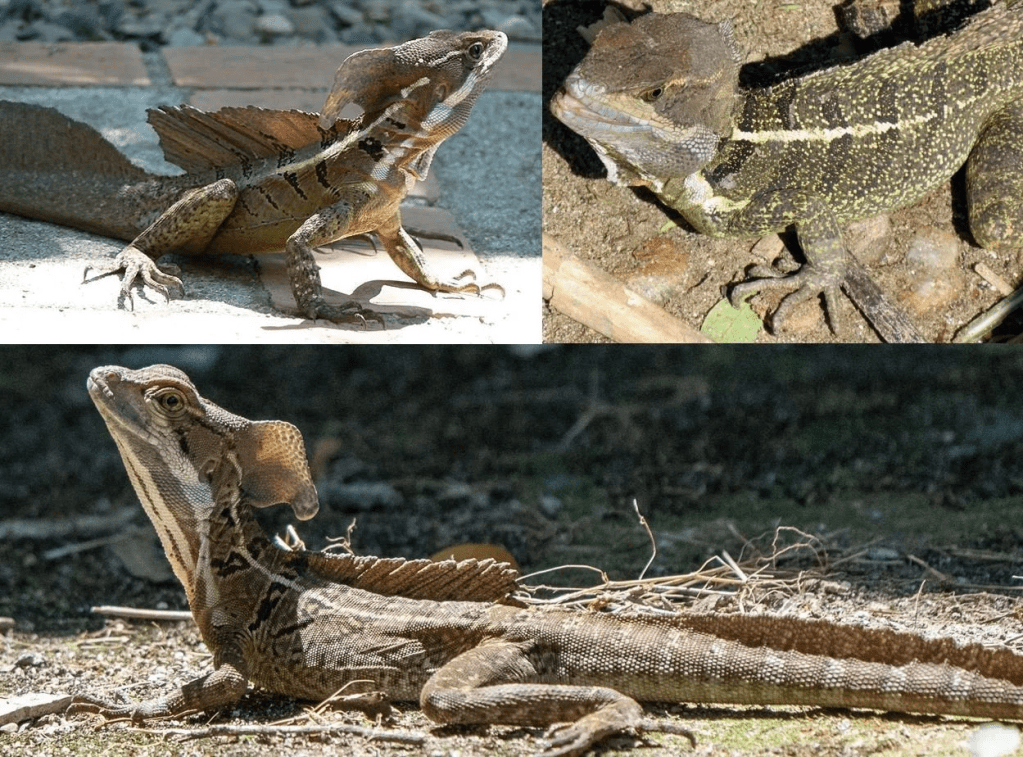
Basilisk – “an imaginary reptile said to be able to kill by poison or simply by looking at someone.”
A phoenix tear is the only known cure for the devastating effect of the basilisk’s venom.
basilisk, (genus Basiliscus), any of four species of forest lizards of tropical North and South America belonging to the family Iguanidae. The name is applied because of a resemblance to the legendary monster called Basilisk.
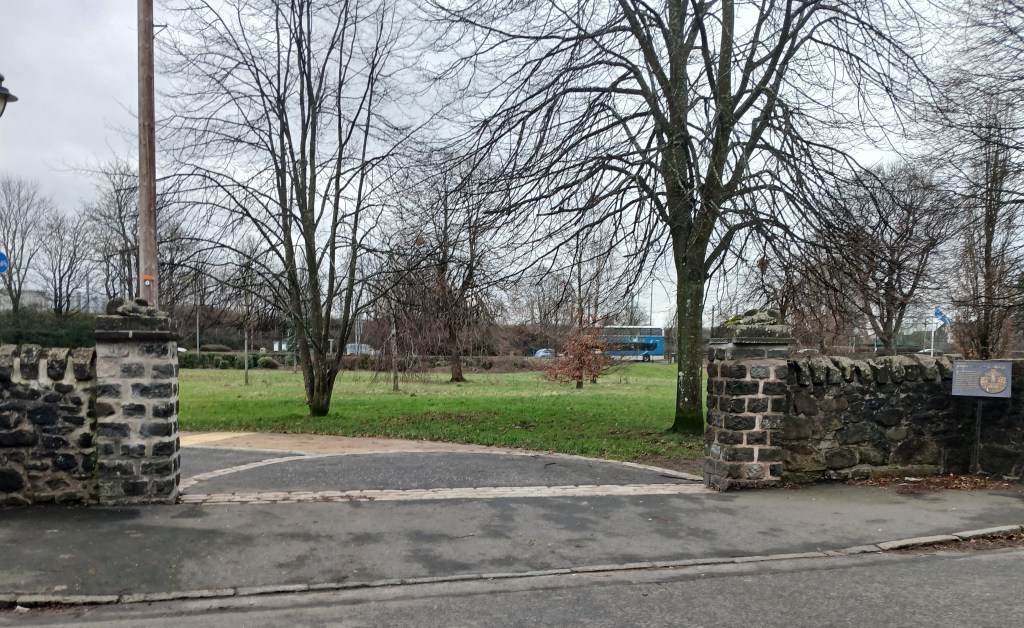
On top of the gateposts opposite 3 Bridgehaugh are a pair of Basilisks. These were commissioned by the Burgh of Stirling of the sculptress Gillian Forbes in 1990s as part of an environmental enhancement project for the Bridgehaugh Conservation Area.
She did not carve the mythical beasts out of thin air; rather she was directly referencing the “Basilisks” – the massive heavy bronze siege cannons – that King James IV famously kept maintained and deployed from Stirling Castle during his aggressive military campaigns in the late 15th and early 16th Centuries.
By placing these mythical beasts near the bridge the artwork serves as a historical play on words and a visual monument to Stirling’s renaissance military history, connecting the legendary monster to the terrifying power that once guarded the gateway to the Scottish Highlands.
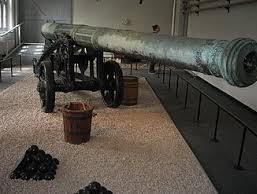
Basilisks Cannons were not like other cannons! They had specific attributes that increased their efficacy.
- Elongated Barrel: Unlike standard cannons or short bombards, a true basilisk featured an incredibly long barrel (often stretching 10 to 15 feet or more) to allow maximum black powder burn time, increasing velocity and range.
- Intricate Casting: As high-value prestige weapons, they were cast in bronze and frequently featured ornate handles, decorative reliefs, and royal seals cast directly onto the metal casing.
- Massive Weight: A single basilisk barrel could weigh up to 4,000 lbs (1,800 kg), requiring heavy-duty timber naval carriages or reinforced wheeled chassis to manage the brutal recoil.
More of the Sculptor’s work can be seen throughout Stirling in the carved writings on pavings recording the history of Stirling.
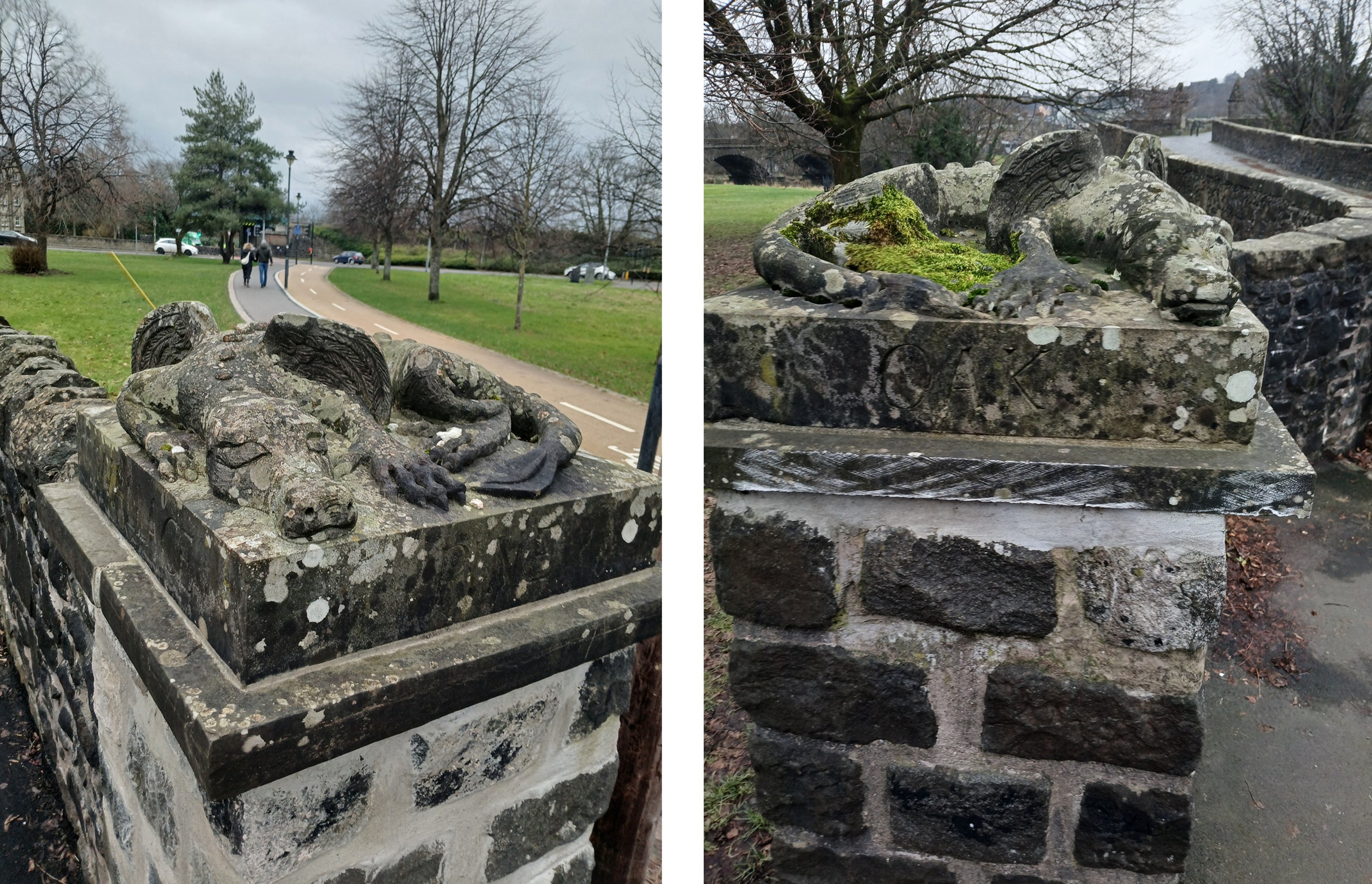
The coping stones of the pillars are adorned with inscribed names of native Flora. See more about these here.