The “Beer Bottlers’ Defence Asssociation” is recorded in the 1951 Valuation roll for Forth Mill as an occupier.
It would appear that the “Beer Bottlers’ Defence Association” was an organisation that existed to secure the safety of the contents of beer bottles.
In days gone by, before the advent of ringpull cans and such like, beer like many aerated waters, was dispensed in bottles. These bottles had screw stoppers and both the bottles and the stoppers had the manufacturer’s name on them. It was the practice for the bottles to be returned to a central “Bottle Bank” where they would be distributed to their rightful owners for the return of a small deposit. It was, if you like, an early form of recycling, possibly the earliest.
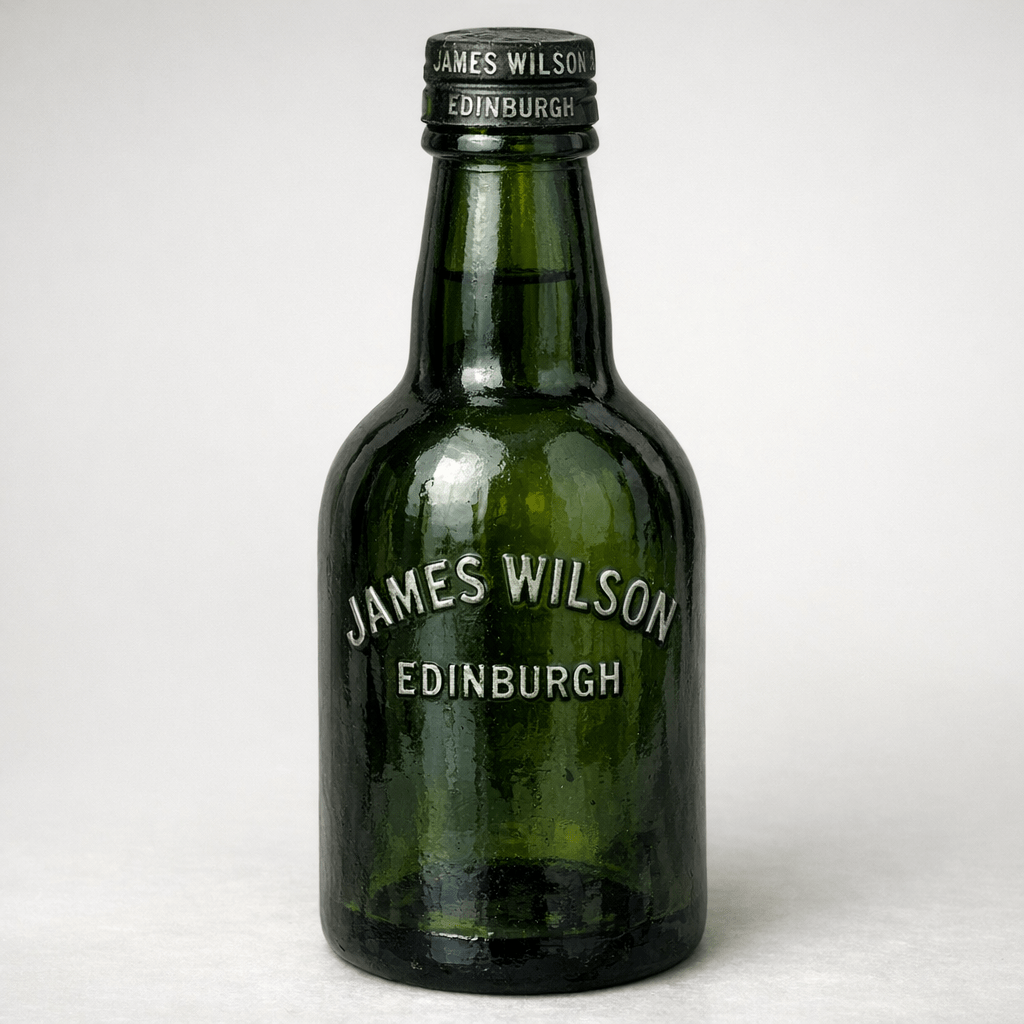
The “Beer Bottlers’ Defence Association” found it necessary to ensure that only their product was ever dispensed in the bottle with their name on it.
The following action took place in the Edinburgh Sheriff Court when James Wilson sought an interdict upon a drysalter, John Shepherd, in order to stop him filling paraffin into such bottles brought to him by his customers thereby rendering them unfit for their intended purpose.
ooo000OOO000ooo
On 5th December 1912 James Wilson, Aerated Water manufacturer, Edinburgh brought an action in the Sheriff Court at Edinburgh against John Shepherd, drysalter, in which he craved the Court to interdict the defender by himself, or by others acting for him or under his instructions, from putting paraffin oil or other liquid into bottles sent out by the pursuer to his customers, and embossed “James Wilson, Edinburgh,” and known by the defender to be the property of the pursuer.
The pursuer averred:—(Cond. 1) ‘The pursuer, who is a member of the Edinburgh and District Aerated Water Manufacturers’ and Beer Bottlers’ Defence Association, is an aerated water manufacturer, and carries on business at Gilmore Park, Edinburgh. The defender is a drysalter, carrying on business at 52 Fountainbridge there. …’ (Cond. 2) ‘The pursuer, in carrying on his said business, is in the habit, in conformity with the universal custom of the trade among aerated water manufacturers in Edinburgh and throughout Scotland, of lending his bottles containing aerated waters manufactured by him to his various customers on the understanding that said bottles are, when empty, to be returned to the pursuer, whose property they remain, and that no other use is to be made of them. This practice is well known to the defender. To facilitate the recovery of his bottles the pursuer uses bottles embossed, moulded, engraved, or otherwise impressed or marked with his name or his name and address, so as to be identified as the property of the pursuer. Said bottles are also stoppered with screw stoppers bearing the pursuer’s name and address. The said bottles are expressly made for the pursuer and, as is well known to the defender, are never sold or alienated by him, but only lent to his customers as above described. The explanations in answer are denied. To ensure the return of bottles it is the practice of the trade, and of the pursuer, to charge a small deposit on each bottle so lent, which is repaid on the return of the bottles. This charge in no way represents the price of the bottle, nor is the transaction one of purchase and sale. Further, as a matter of convenience and by mutual agreement, aerated water manufacturers frequently collect each other’s bottles from customers and take them to the Bottle Exchange, an organisation through which the bottles are subsequently distributed among their proper owners. It is for this purpose only that aerated water manufacturers accept, or are entitled to accept, bottles belonging to other manufacturers, and this practice in no way affects the rights of property in the bottles.’ (Cond. 3) ‘It has come to the knowledge of the pursuer that the defender for some time past has been filling bottles of the kind mentioned and belonging to the pursuer with paraffin oil and other liquid, and has been selling or supplying paraffin or other liquid contained in such bottles to his customers or the public. He also fills such bottles when tendered to him…