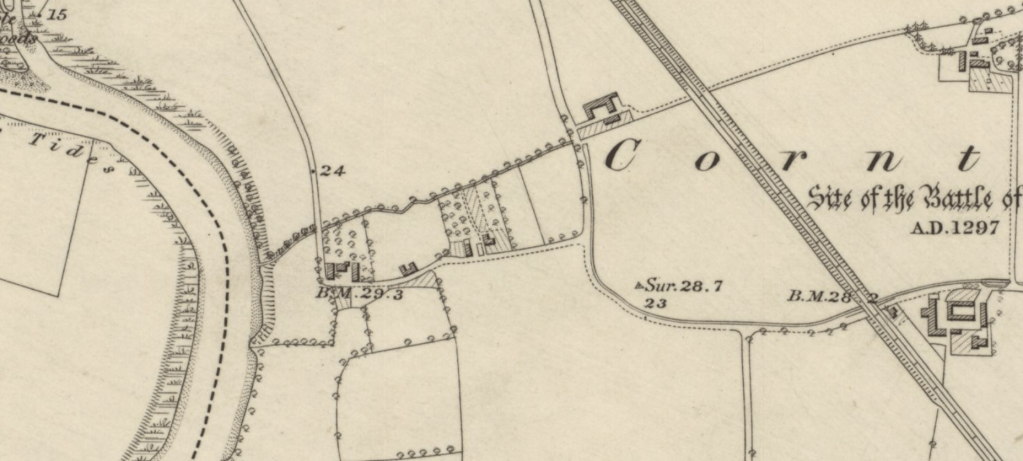
The area as it was in 1860 shows a development of individual dwellings along a track from the Cornton Road which continues to travel north west across a ford over the Allan Water towards Lecropt. An Archaeological survey by Rathmell Archaeology Ltd., commissioned prior to the latest development at Cornton Vale, took the view that they may have been a series of individual smallholdings.
Considering what followed it would be allowable to take that view on the understanding that they were each tenanted and rented from the owner of the ground who subsequently sold the area on.
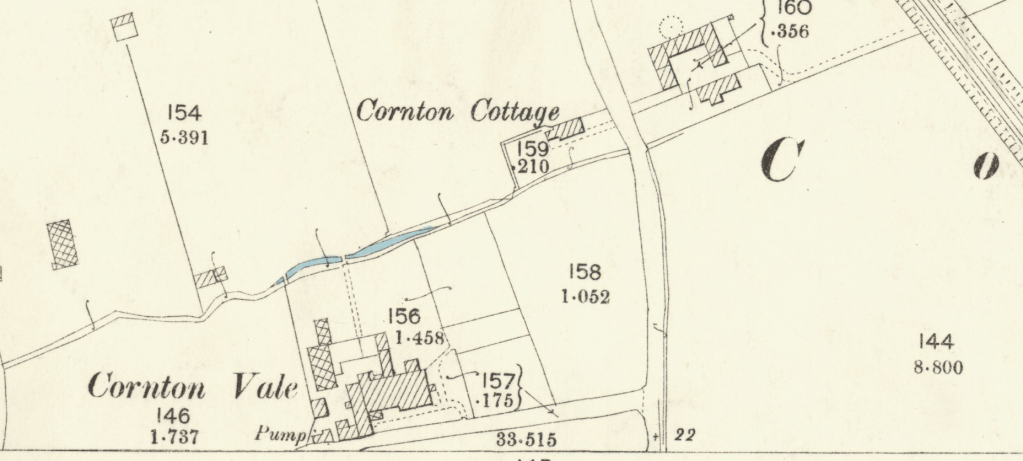
The lands of Cornton Vale were sold by John Christie in 1871 to John Thomson, a farmer from Drumtogle near Auchterarder. He built a new farmhouse and steading on the site, thereafter known as Cornton Vale. He advertised it as “Cornton Vale House Health Resort”. This map shows that by 1896 Cornton Vale is firmly established and Cornton Cottage appears.
In 1907 the site was taken over by the Church of Scotland as a Labour Colony.
Opened in 1907, the colony provided a home and training in market gardening for “habitual inebriates” and others – all male – sent by the Church or by their families. Cornton Cottage was situated within the land of what was Cornton Vale farm prior to the institutionalisation of the site.
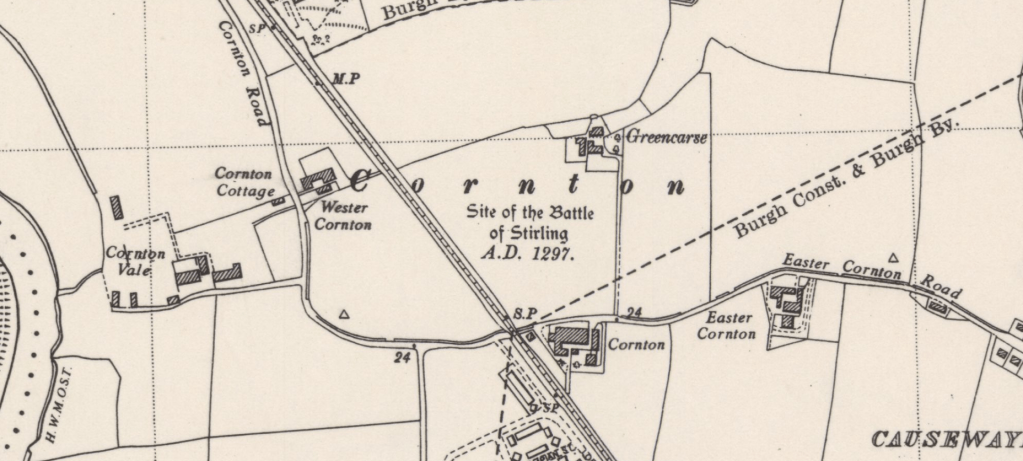
Just after the second World War the property was sold to the Scottish Prisons Service and they established a Borstal on the site. The above plan shows the area as it was in 1948 just after the construction of the first of the Prefabs.
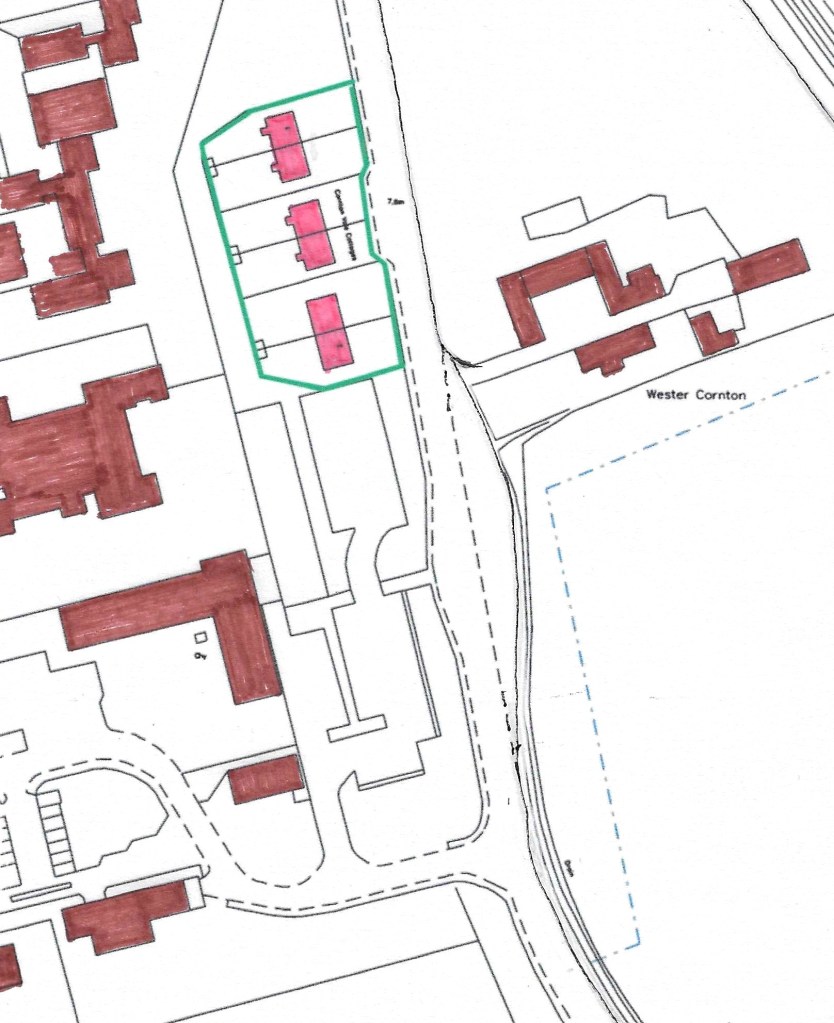
The next OS map is dated 1960 and shows two other buildings just to the north of Cornton Cottage. They have the appearance of two blocks of semi-detached dwellings with ancillary buildings in the rear garden ground and they are labelled Nos 2,3,4&5 Cornton Vale Cottages. These would have been built during the time that Cornton Vale was in use as a Borstal: –

Later, the name Cornton Vale became attached to the Women’s Prison and Castle Vale was built on the site of the old Cornton Vale House. The most recent “Cornton Vale Cottages” were initially built as staff accommodation but later they became what were known as ILUs or Independent Living Units.
It is probable that the two original buildings of the late 40s were demolished to accommodate the new development along with the Prison in 1975.
It would appear, however, that the original Cornton Cottage wasn’t demolished until after the 6 new cottages were built because these six Units were numbered consecutively from 2 to 7.
We owe a huge debt of gratitude to David Gardner and Holmes Miller Architects, Glasgow and the Scottish Prison Service. Holmes Miller for going to the trouble of looking out the details of the houses and sending them to us (and subsequently responding to a barrage of questions from us) and SPS for allowing them to do so.
Our request of Holmes Miller was dealt with immediately and professionally and it is with some pride that we are able, as a result, to record here just what was on the site before being demolished to make way for the new Prison – HMP & YOI Stirling.
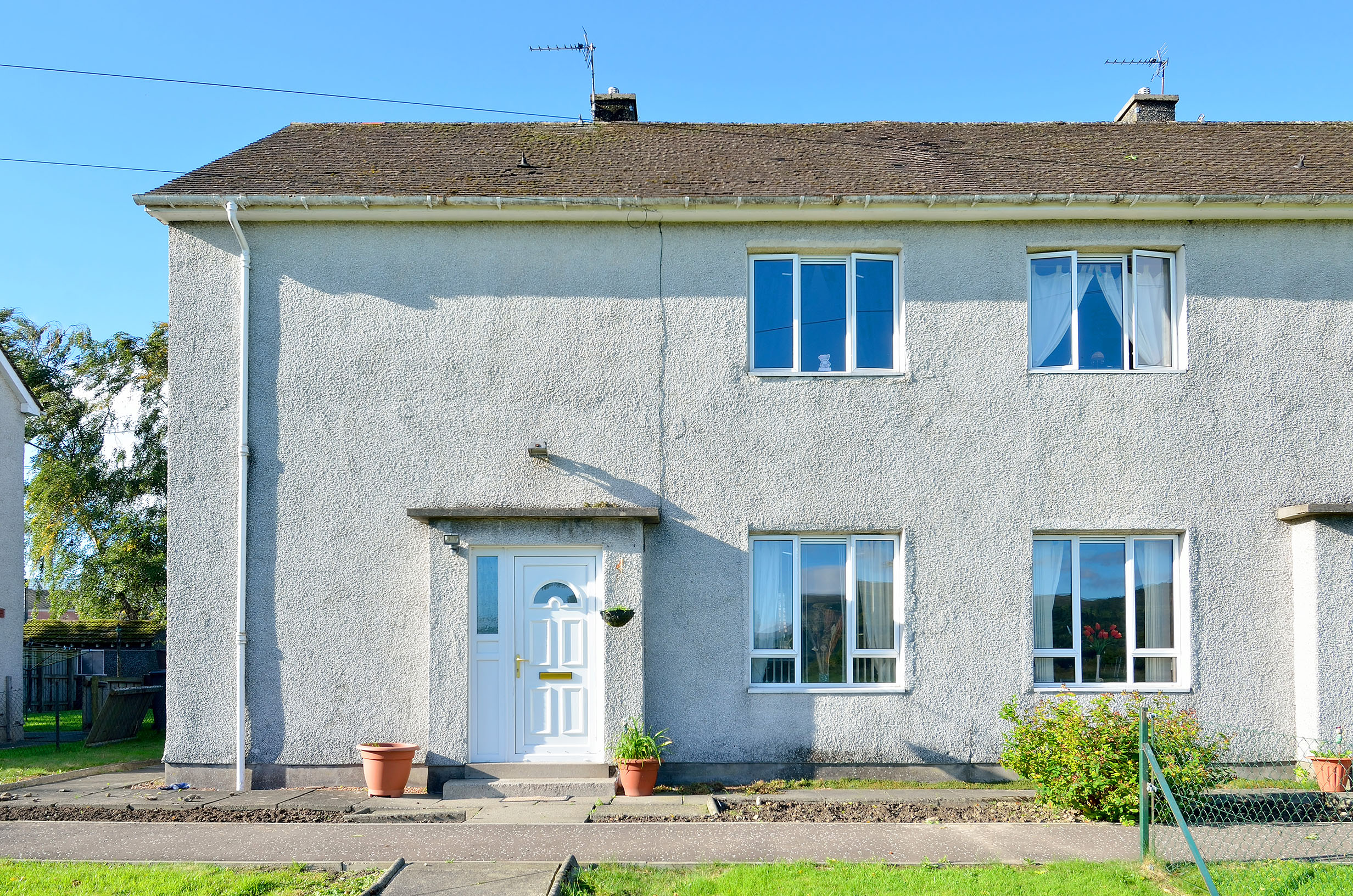
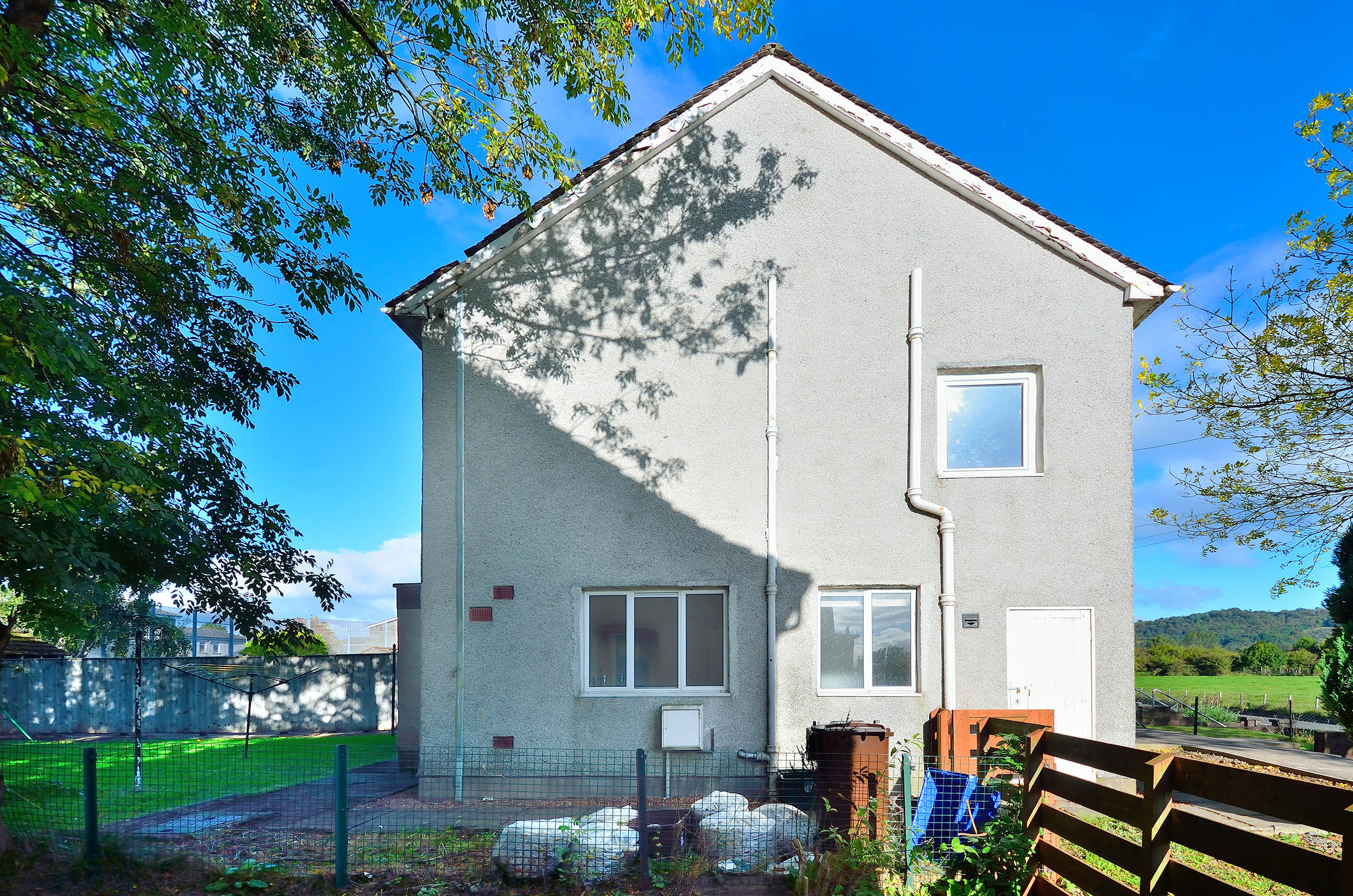
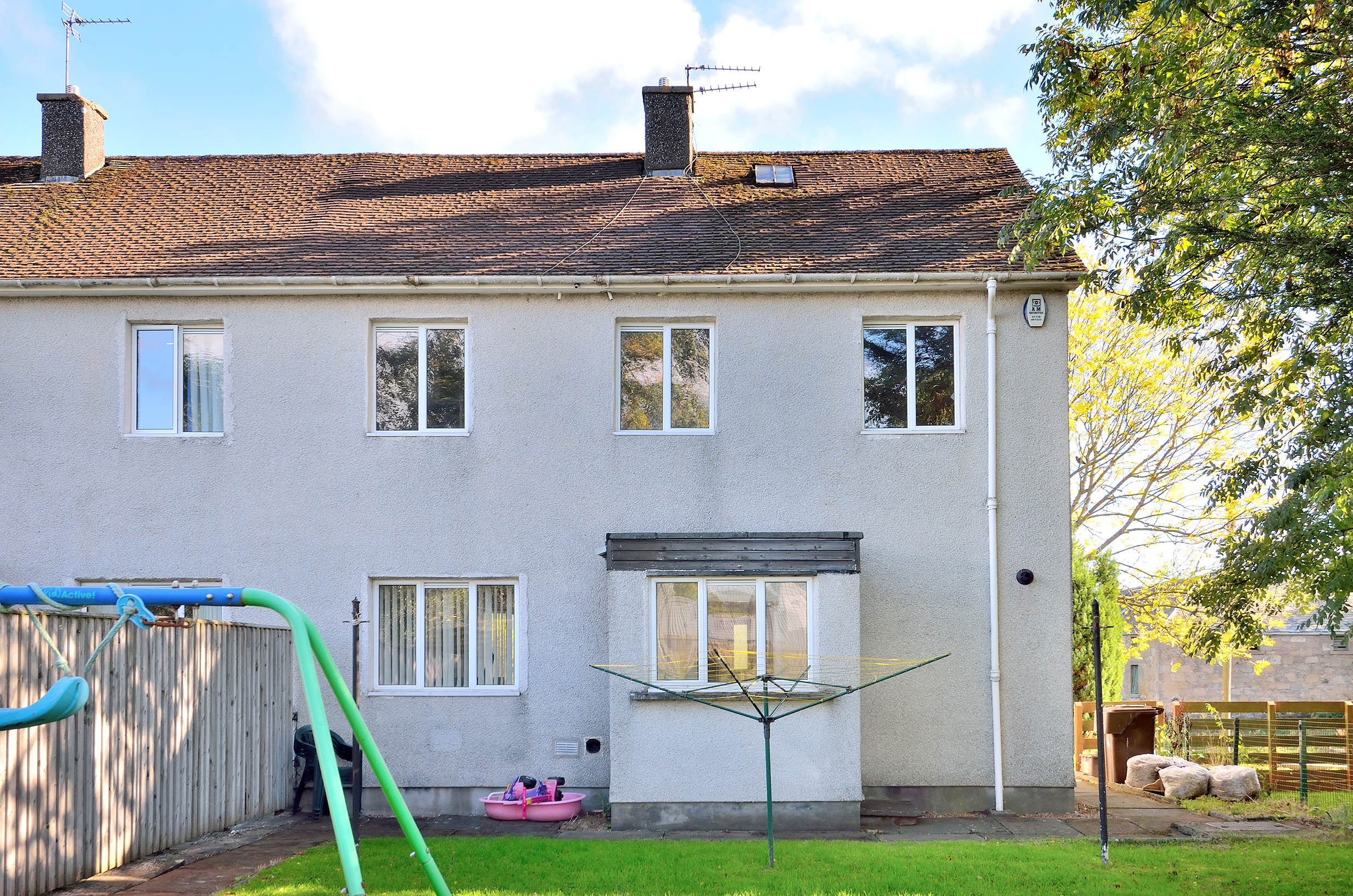
These are the front, side and rear elevations of one half of the four northern most semi-detached “Cottages” as they were immediately before demolition. Nos 4-7 inclusive.
And here are the floor plans: –
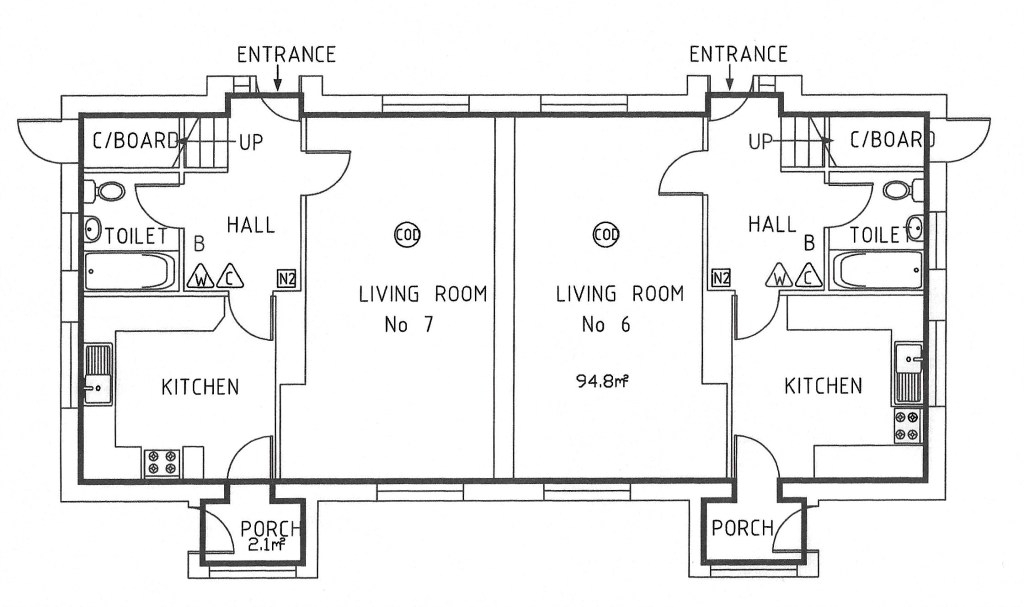
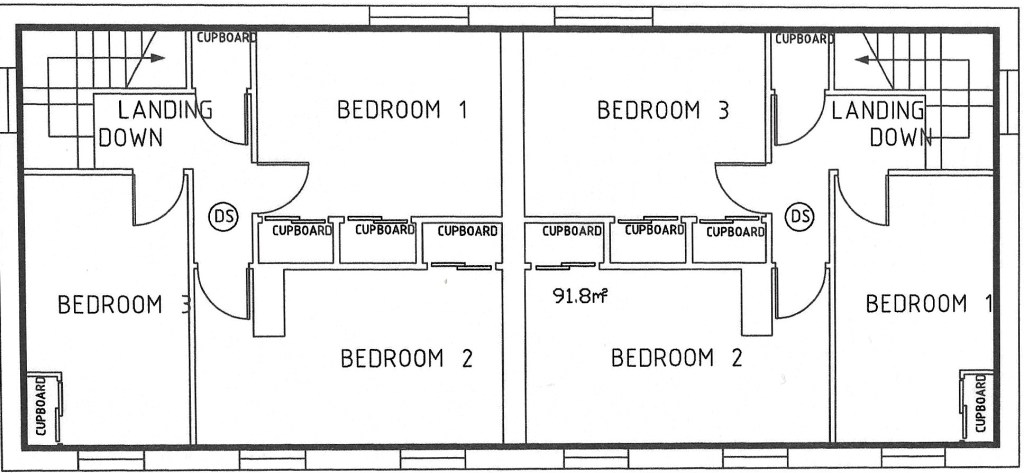
It can be seen from the designation in the Living room that these were the Units numbers 6 and 7. Numbers 4 and 5 were identical while those at 2 and 3 are different.
And these are the elevations and floor plans of the southernmost semi-detached Units numbers 2 & 3: –
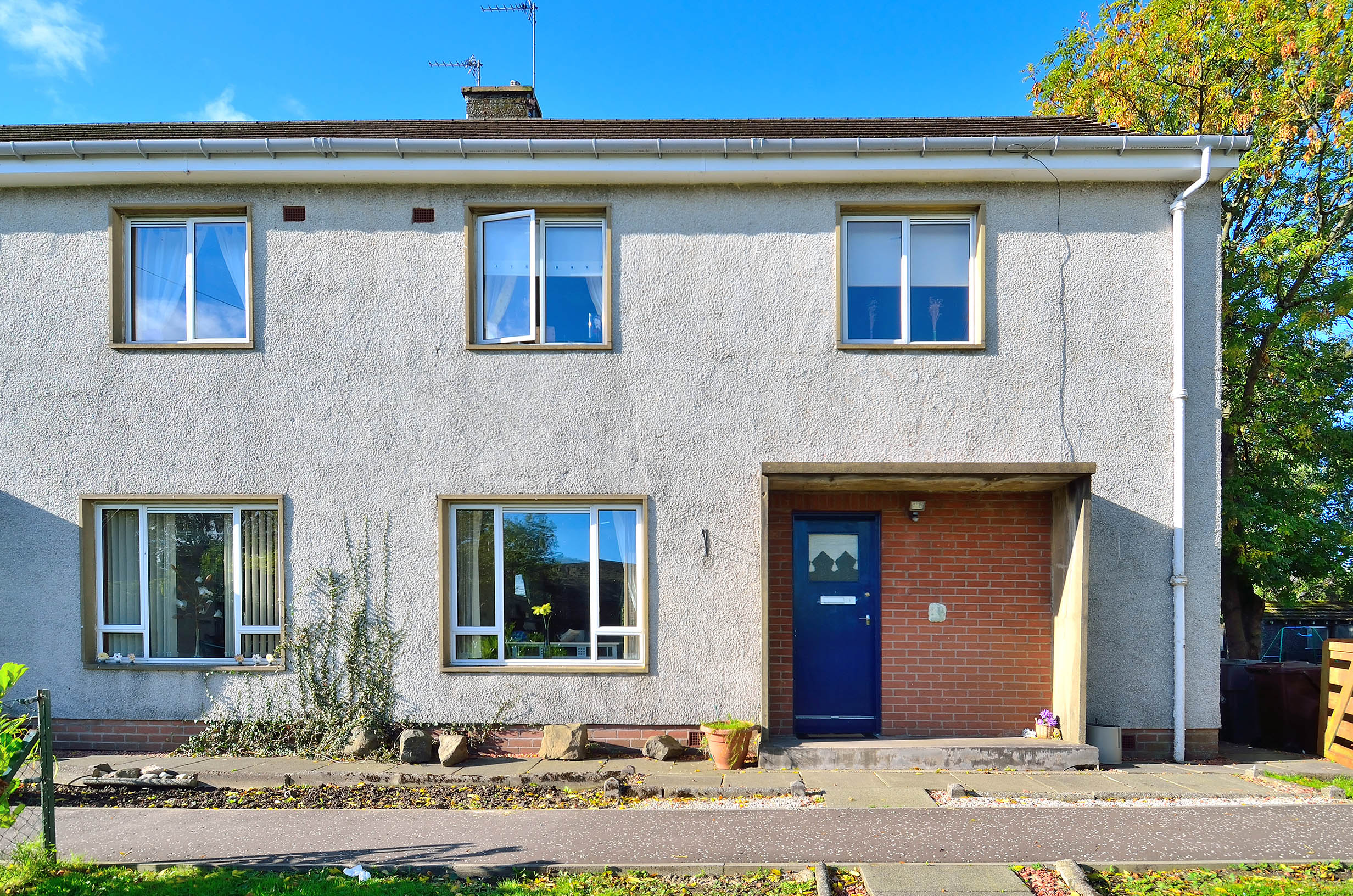
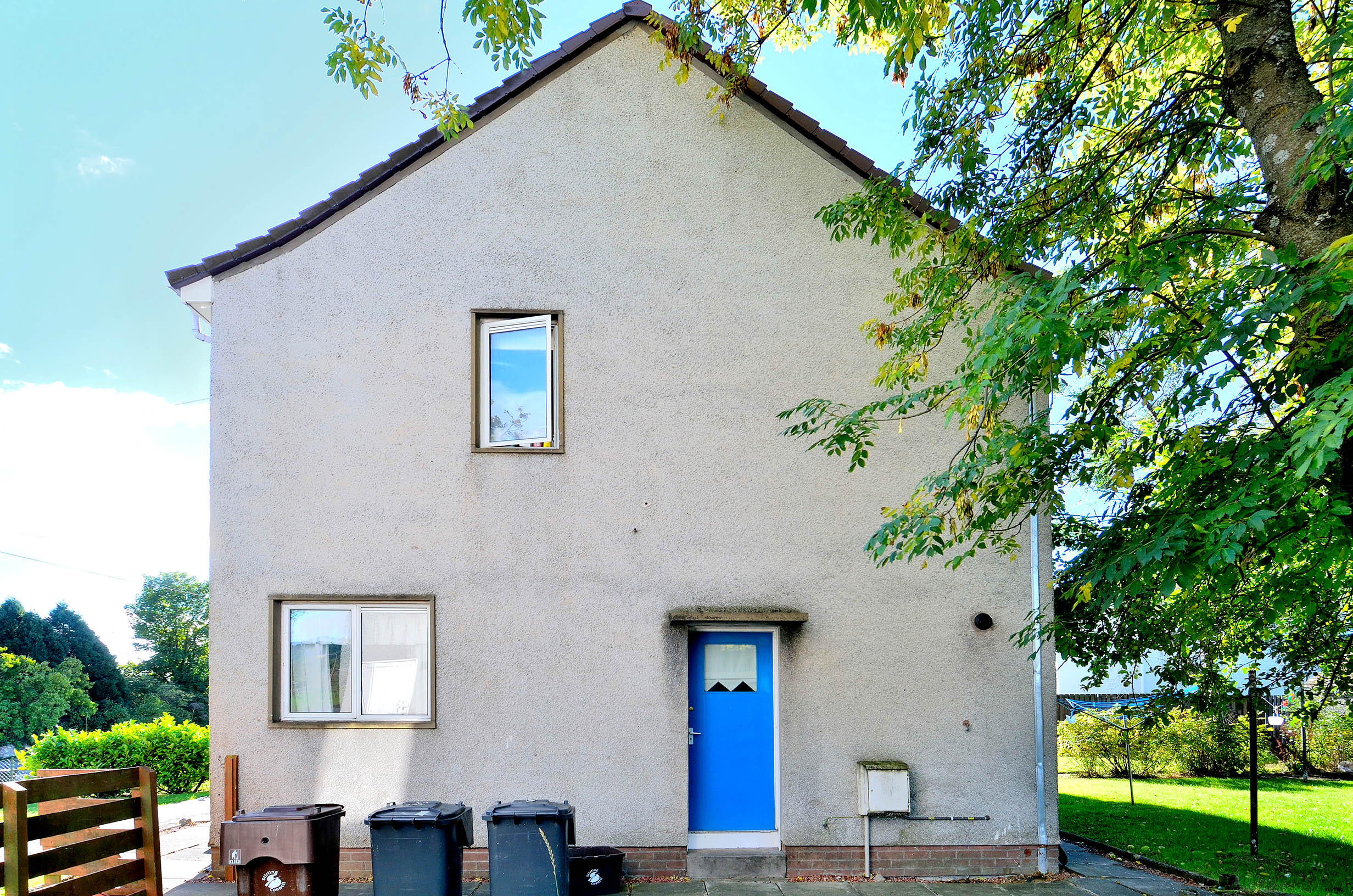
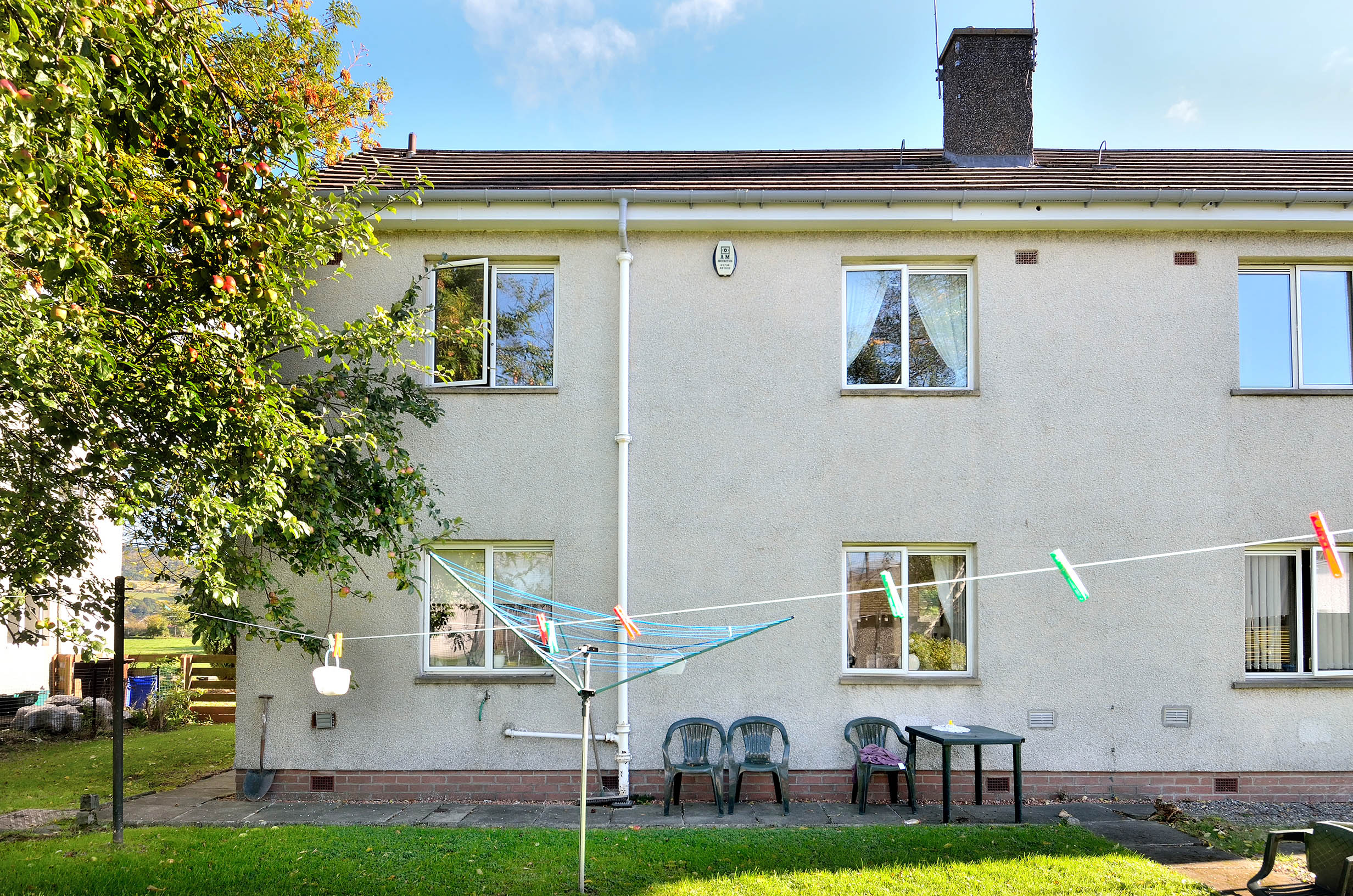
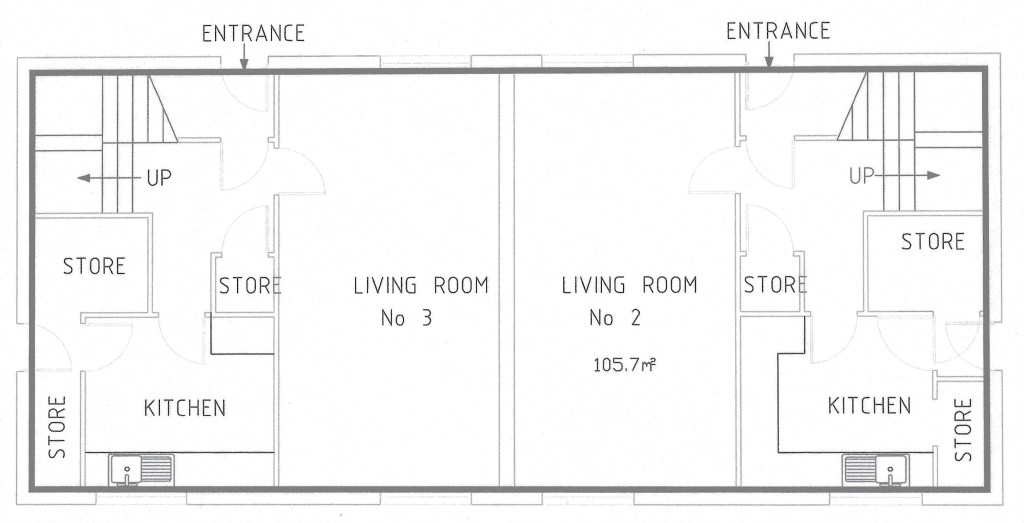
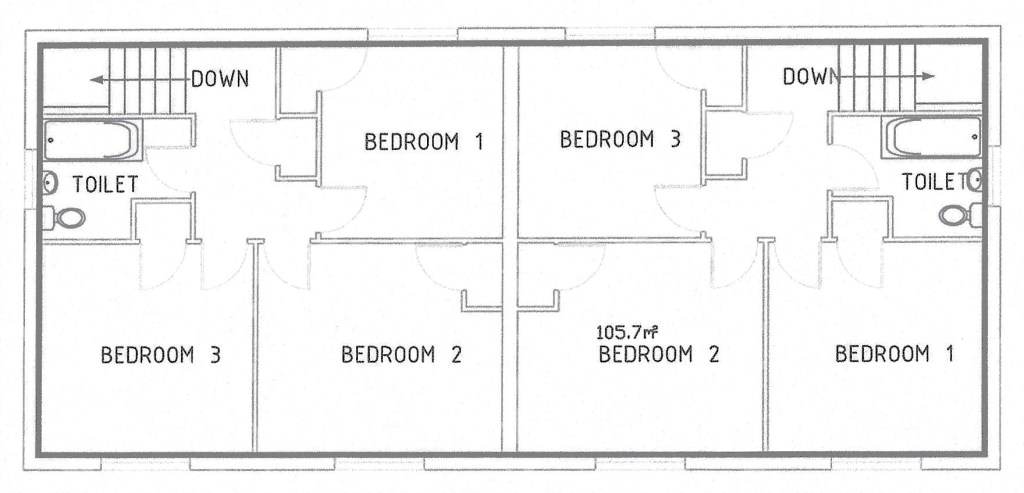
These were, latterly, “Independent Living Units” which were outside the Prison. There were the six Units and they housed prisoners who were nearing the end of their sentence and were preparing for release. Five of the houses offered accommodation for four prisoners and one for three. During the course of the most recent (and probably last) inspection they were reported to have been “…clean and in good condition when inspected…” “…There was a telephone which gave women direct access to a member of Prison Staff, and also a payphone for outgoing calls, in each house…”
Sadly Cornton Vale Cottages are all gone now and no more information about their existence can be gleaned. The most recent chapter in the evolution of Cornton Vale has eradicated all evidence that might have been, along with the demise of the name “Cornton Vale”.